
The Art of Integration: Helping Breathwork, Psychedelic Journeys, and Spiritual Retreats Become Lasting Change
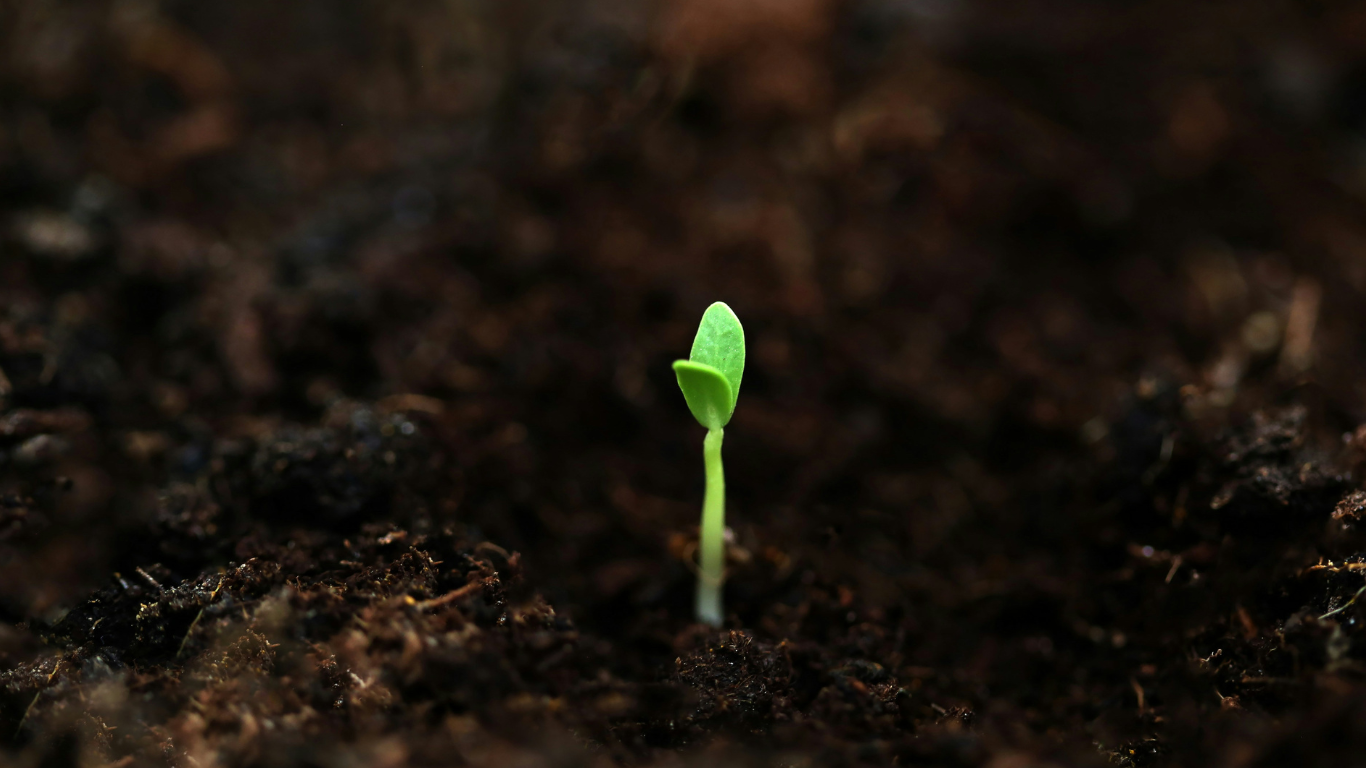
"Sometimes these very deep insights for only a few moments plant a very deep seed within us." — Joseph Goldstein
Along the spiritual and contemplative path, there are experiences that seem to open something within us. Whether through a breathwork journey, psychedelic-assisted therapy, a meditation retreat, time in nature, or even a profound conversation, we suddenly find ourselves seeing through a wider lens. What moments before felt familiar now feels luminous, spacious, and alive.
As the aperture of awareness widens, we can experience ourselves and our lives differently. What once felt confusing becomes clear. We see ourselves, our relationships, and the path before us with fresh perspective. We may experience profound love, forgiveness, gratitude, or compassion. We may reconnect with forgotten aspects of ourselves, or feel that something long held in the body has finally softened or found resolution. There can be a quiet recognition that we are more whole than we believed, more connected than we imagined, and more deeply held by life than we had previously known. These moments often carry the unmistakable quality of truth, not as an idea to believe, but as something directly lived and deeply known.
Then we return home.
Within days, the emails return. Familiar responsibilities reclaim our attention. Our familiar ways of thinking, relating, and responding quietly return. The expanded perspective that felt so vivid begins to narrow, and the extraordinary clarity that once seemed unmistakable can begin to feel strangely distant, as though it belonged to another reality.
Did that really happen? Was it real?
Profound experiences rarely mark the end of a journey. More often, they are the beginning of a new one. They offer a glimpse of what is possible, reveal truths that have long been waiting to be seen, and invite us into what I think of as a curriculum for living, a gradual process of allowing those moments of insight to reshape the way we inhabit our ordinary lives.
What is Integration?
Integration is the ongoing process of bringing the wisdom of a profound experience into the way we live. It is how moments of insight become embodied wisdom, shaping our relationships, our choices, and the way we meet the ordinary moments of everyday life.
A profound experience may open a doorway, but it is our willingness to return to what was revealed—to reflect on it, practice it, and live it—that allows those insights to take root. As Françoise Bourzat writes in Consciousness Medicine, the invitation is not simply to have an expanded-state experience, but to embody the wisdom it reveals.
Over time, the extraordinary becomes quietly woven into the ordinary, not as a memory we revisit, but as a way of seeing, relating, and being in the world.

Four Practices for Deepening Integration
There is no single "right" way to integrate a transformative experience. Every journey is unique, and what supports one person may not resonate with another. Rather than thinking of integration as a checklist to complete, it can be helpful to approach it as an ongoing relationship, one that unfolds gradually through curiosity, reflection, and everyday practice.
The following practices are among the most helpful I've encountered, both personally and in supporting others through breathwork and expanded-state work.
1. Return to What Was Revealed
One of the simplest ways to support integration is to intentionally revisit what your experience revealed before the insights begin to fade into memory.
Soon after your journey, write yourself a letter—not from your everyday thinking mind, but from the perspective of the part of you that experienced the insight. What felt deeply true? What did you understand about yourself, your relationships, or your life that you don't want to forget? If writing a letter doesn't resonate, you might instead journal freely, sketch images that remain with you, or simply capture the words, phrases, or symbols that carried particular meaning.
Over the days and weeks that follow, return to what you've written. Read your letter slowly. Scan the headlines from your journal. Revisit the words or images that continue to stand out. Notice what still feels alive, and what begins to reveal new layers of meaning. Integration is not about preserving every detail of the experience; it is about remaining in relationship with what it came to teach you.
As Rick Hanson writes in Hardwiring Happiness, beneficial patterns in the brain are strengthened through repeated attention and practice. Insight may arrive in a moment, but embodiment unfolds through repetition. By returning to moments of clarity, compassion, courage, or connection—and allowing them to shape the way we live—we gradually make those qualities more familiar and accessible.
The experience may fade. The wisdom doesn't have to.
2. Create Living Reminders
One way of staying in relationship with what was revealed is to give it a place in your everyday life. A simple object can become a quiet reminder, not of the experience itself, but of the qualities, intentions, or wisdom it awakened.
During one particularly meaningful psychedelic journey, an octopus emerged as a profound teacher. At one point, it was as if my body became one with the octopus itself. I experienced a deep softening, as though parts of myself that had long felt contracted, protected, or numb were gradually awakening and being welcomed back into relationship with the whole.
When I returned home, I bought a small stuffed octopus that now sits on my couch. Sometimes I'll entwine my hands in its soft tentacles, close my eyes, and quietly offer gratitude for the healing and teaching I received.

Your reminder may look entirely different. It might be a meaningful piece of jewelry, a photograph placed where you'll see it each day, a stone or feather collected during a retreat, or even a favorite image or simple word set as the background on your phone. Choose something that naturally invites you to pause and remember.
They gently reconnect us with something we already know, helping the extraordinary remain in conversation with the ordinary.
3. Live One Teaching
After a profound experience, it's natural to want to change everything. You may feel inspired to make major life decisions, begin new spiritual practices, or dramatically reorganize your priorities. Occasionally those impulses point toward genuine change. More often, however, lasting transformation begins through something much quieter.
Rather than asking, How can I change my whole life? consider asking, What is one teaching from this experience that I can live this week? Perhaps the invitation is to speak more honestly, rest without guilt, spend more time outdoors, cultivate deeper friendships, have the difficult conversation you've been postponing, or simply pause, breathe, and meet yourself with greater kindness.
Rather than trying to recreate the experience, allow its wisdom to gently shape the way you move through your life. Return to one insight, one quality, or one invitation, and look for opportunities to embody it in the ordinary moments of your day. These small acts may seem insignificant, but over time they become the quiet architecture of transformation.
One teaching, lived consistently, has the capacity to reshape a life far more profoundly than dozens of beautiful insights left unpracticed.
Transformation rarely asks us to become someone new overnight. More often, it invites us to become a little more like the person we briefly remembered ourselves to be.
4. Stay in Conversation & Seek Wise Companionship
While much of integration is deeply personal, it rarely needs to happen alone. Sharing your experience with a trusted therapist, integration guide, spiritual director, or wise friend can help illuminate perspectives you may not yet see on your own. Simply speaking an experience aloud often reveals new layers of meaning, especially when it is received with curiosity rather than judgment, interpretation, or the pressure to arrive at immediate answers.
These conversations are not about having someone explain your experience or tell you what it means. Rather, they offer a supportive space to continue listening—to notice what continues to unfold, what feels increasingly true, and how your insights might gradually find expression in your everyday life.
Wise companionship can also provide something we rarely offer ourselves: gentle accountability. Not accountability to recreate the experience, but to live its teachings. To remember the difficult conversation you wanted to have. The boundaries you hoped to honor. The kindness you wished to extend toward yourself. Over time, these quiet conversations help bridge the distance between insight and embodiment.
Integrating Challenging Experiences
Not every expanded-state experience feels peaceful, inspiring, or immediately meaningful.
Sometimes what emerges is grief. Fear. Confusion. Long-forgotten memories. Or a profound recognition that something in our lives is no longer aligned with what we know to be true. At other times, we may encounter emotions, imagery, or energetic experiences that feel dark, overwhelming, or difficult to understand.
Rather than trying to make immediate sense of what has surfaced, allow yourself time. Return to the practices above. Continue journaling. Stay connected to trusted sources of support. As we explored in the previous section, a skilled therapist, integration guide, or experienced facilitator can help us find ground, make meaning, and discern what is asking for our attention without rushing to conclusions.
If you're experiencing thoughts of harming yourself or others, are feeling unable to care for yourself, or your experience is causing significant distress or impairing your ability to function, tell someone you trust and seek support from a licensed mental health professional or emergency services in your area. Otherwise, unless there is an immediate concern for your safety or the safety of others, consider giving yourself time before making significant life decisions. Some insights invite timely action; others benefit from patience, continued reflection, and discernment.
There is no deadline for understanding. Some insights become clear within days, while others continue unfolding over months—or even years. Trust that healing and understanding often emerge gradually, as your life slowly comes into alignment with what is ready to be seen.
The Ordinary Is Where Transformation Lives
We often imagine transformation as something that happens during extraordinary moments—a powerful breathwork journey, a mystical experience, or a week spent in silence. While these experiences can open remarkable doorways, they are only the beginning.
The invitation is not to recreate the experience or remain in an expanded state of consciousness. It is to carry something of what we encountered back into the ordinary rhythms of our lives, allowing it to gently reshape the way we listen, love, choose, and show up in the world.
In time, what once felt like an unforgettable experience becomes less something we remember and more a way of being. This is the quiet work of integration: not preserving the intensity of a moment, but allowing its wisdom to become woven into the fabric of everyday life.
The breath may open the door.
Integration is how we learn to walk through it.

Further Reading
No single book or teacher offers a complete map for integration. Ultimately, the deepest teacher is your own lived experience, approached with curiosity, compassion, and a willingness to continue practicing what life has revealed.
Bourzat, F., & Hunter, K. (2019). Consciousness Medicine: Indigenous Wisdom, Entheogens, and Expanded States of Consciousness for Healing and Growth. North Atlantic Books.
One of the most thoughtful books I've read on preparation, expanded states, and the lifelong practice of integration.
Kornfield, J. (2000). After the Ecstasy, the Laundry: How the Heart Grows Wise on the Spiritual Path. Bantam.
A beautiful reminder that profound spiritual experiences ultimately ask to be lived in the ordinary moments of daily life.
Hanson, R. (2013). Hardwiring Happiness: The New Brain Science of Contentment, Calm, and Confidence. Harmony Books.
An accessible exploration of how intentionally returning to beneficial experiences can help them become more deeply embodied over time.
Goldstein, J. (2013). Mindfulness: A Practical Guide to Awakening. Sounds True.
Offers timeless teachings on awareness, insight, and the gradual unfolding of practice.
Siegel, D. J. (2012). The Developing Mind (2nd ed.). Guilford Press.
For readers interested in interpersonal neurobiology and the science of integration, attachment, and embodied awareness.
Watts, R. (2022). Integration Workbook (or her published writings and talks on psychedelic integration).
Thoughtful reflections on bringing expanded-state experiences into everyday life through compassion, curiosity, and ongoing practice.
The content on this website is provided for educational and informational purposes only and is not intended as medical, psychological, or therapeutic advice. Breathwork facilitators are not licensed healthcare providers unless otherwise stated.
Always consult a qualified medical or mental health professional regarding any health concerns or before beginning new wellness practices. Participation in breathwork is voluntary and should be approached with personal awareness and responsibility.
© Kaisora Breathwork. All rights reserved.